New Delhi: The BJP’s top leadership has gone into a damage control mode for its Tamil Nadu unit and has urgently summoned the state unit president, Nainar Nagenthran, to New Delhi for high-level meetings.
Nagenthran is scheduled to meet BJP national president Nitin Nabin and Union home minister Amit Shah, reports say.
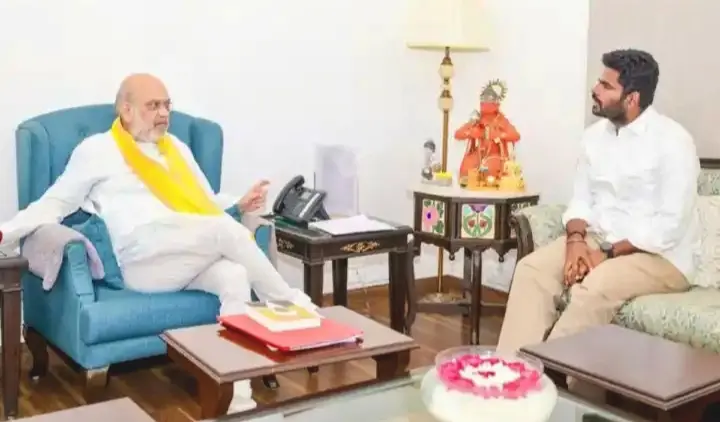
This came after the BJP’s former state president of Tamil Nadu, K Annamalai met Nabin and Shah on Tuesday. Sources said that he had wished to quit the party.
Annamalai has now been asked to remain back in the national capital for further discussions. This comes amid intense national focus on the structural stability and internal dynamics of the party’s unit in Tamil Nadu. Sources said that the BJP’s national leadership is moving aggressively to handle a series of swift structural developments in the southern state, signalling a potential overhaul of their regional strategy, as reported by News18.
The party’s high command is seeking a comprehensive assessment of the state unit’s current operational health. The request for the former state chief to prolong his stay has led to deep curiosity reg
arding whether a major organisational realignment or an elevation to a national role is currently on the table.
Nagenthran’s leadership is certainly under pressure. A big setback for the party was the sudden exit of fishermen wing president M C Munusamy. The prominent grassroots leader resigned from his post, citing structural friction. The fishermen wing represents a crucial electoral demographic across the massive coastal belt of Tamil Nadu, making this departure a severe tactical blow to the party’s local outreach efforts.
This localised exit, unfolding alongside the national summons, underscores deep internal fractures within the state unit that the central high command is now forced to address immediately, insiders said.
The developments suggest that Nabin and Shah are taking direct charge of the Tamil Nadu blueprint. The party had invested significant political capital into the state, aiming to position itself as a formidable alternative to the Dravidian majors. However, structural disagreements over regional alliances, specifically the strategic relationship with the AIADMK and the management of internal state factions, have reportedly caused visible distress.
According to party insiders, Nagenthran’s late-night meetings are expected to culminate in strict directives aimed at curbing internal dissent and arresting any further exit of wing leaders.
The national leadership remains clear that local instability will not be allowed to dilute the party’s expansionist agenda in southern India. For Nagenthran, the outcome of the meetings with Shah and Nabin will likely dictate whether he retains complete autonomy over the state apparatus or faces heavily centralised oversight as the party prepares for its next phase of regional mobilisation.