New Delhi: The National Human Rights Commission (NHRC) has taken cognisance of alleged exclusion of tribal families from government welfare schemes in Odisha’s Sambalpur district due to Aadhaar-related documentation constraints.
In a speaking order issued on Monday, the commission sought an Action Taken Report (ATR) from the authorities over the matter within four weeks. The NHRC directive sought the inclusion of the Odisha Chief Secretary, Sambalpur District Magistrate and Chief Executive Officer, Unique Identification Authority of India (UIDAI) in the report.
Unlike routine orders, the commission’s speaking order to top bureaucrats gives urgency to the matter.
The NHRC notice comes in response to a complaint lodged by a Hyderabad-based advocate, Yennam Balachander Reddy.
The complaint filed on 30 January highlighted the difficulties faced by tribal families in accessing essential benefits relating to food, education, healthcare and housing because of Aadhaar documentation barriers and alleged administrative inaction.
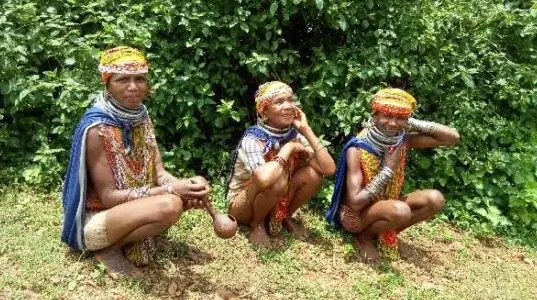
According to media reports, more than 200 tribal people from over 50 families living in the Jaminkira police station area in Sambalpur district were facing difficulties over Aadhaar-related constraints.
The reports highlighted how the lack of Aadhaar had pushed the community into living a life of deprivation. Since most children were born at home and not in hospitals, none of them has formal birth record, a prerequisite to get enrolled for Aadhaar. Ironically though, many adults possess voter ID cards, but Aadhaar, which is now essential for welfare access, remains out of reach.
Primarily belonging to the Sabar tribal community, the families in Sambalpur migrated from Bihar decades ago and lived a nomadic life before settling in Jamankira. For years, they have sustained themselves by collecting and selling forest produce like honey, wood and leaves. They neither have their own land nor other property, forcing them to reside in makeshift houses on government land.