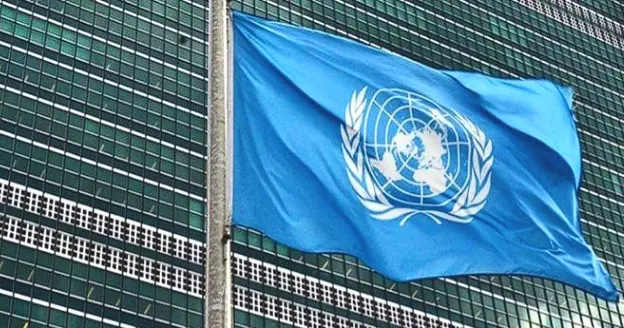
United Nations: UN Secretary-General Antonio Guterres has urged sustained, constructive negotiations between Iran and the US, while insisting the ceasefire “must absolutely be preserved” following the inconclusive talks on the West Asia war, PTI reported.
The extended 21-hour discussions in Pakistan on Saturday — led by US Vice President JD Vance — between the United States and Iran ended without a breakthrough to halt the conflict.
A statement from UN Secretary-General Guterres’ spokesperson on Monday read: “While no agreement was reached at the talks hosted by Pakistan between the United States and the Islamic Republic of Iran in Islamabad, the discussions themselves underscored the seriousness of their engagement and constituted a positive and meaningful step toward renewed dialogue.”
“They have chosen not to accept our terms,” Vance stated at a news conference in Islamabad. “We leave here with a very simple proposal: a method of understanding that is our final and best offer,” he said, adding that “We’ll see if the Iranians accept it.”
Given the profound divides, Guterres observed that “an agreement cannot be reached overnight” and pressed for ongoing constructive engagement to secure a pact.
“At the same time, the ceasefire must absolutely be preserved. All violations must cease,” Guterres said, adding that after weeks of destruction and distress, it is clear that there is no military solution to the current conflict in the Middle East.
The United States and Iran had announced a two-week ceasefire in the fighting last week.
Guterres expressed gratitude for the mediators’ persistent work — Pakistan, which hosted Saturday’s session, along with Saudi Arabia, Egypt, and Türkiye — and appealed to the global community to bolster those initiatives.
The Secretary-General’s Personal Envoy, Jean Arnault, continues active involvement in the region, holding close consultations with major players and expanding outreach to foster a lasting, comprehensive accord.
Guterres further underscored that all conflict parties must uphold freedom of navigation, including in the Strait of Hormuz, consistent with international law.
“We need to remember that some 20,000 seafarers have been caught up in this conflict and are currently stranded on ships, facing increasing hardships daily. Disruptions in the maritime trade through the Strait of Hormuz have already had a direct effect well beyond the immediate region, with increased global economic fragility and insecurity in many sectors,” the UN Chief said.
He pointed out that the interruption of fertiliser and its inputs is worsening food insecurity for millions worldwide, compounding the rising cost of living from fuel, transportation, and supply chain disruptions.