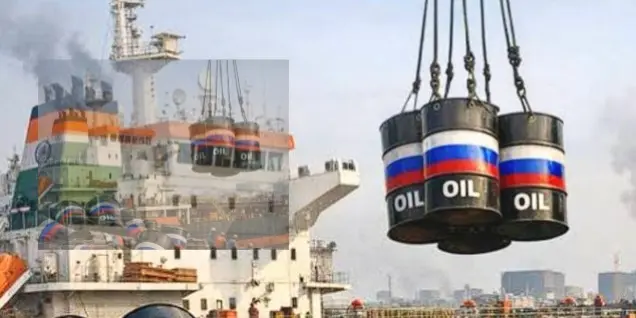
New Delhi: Heightened tensions in West Asia throughout 2026 have triggered volatility in global oil markets, with Brent crude prices surging over 20% at peaks, thereby highlighting risks in India’s oil strategy that relies on imports for more than 85% of its consumption, as outlined in a Carnegie India report.
This episode brings into focus the limitations of India’s current energy security measures, which have leaned on immediate responses rather than building enduring safeguards against geopolitical shocks affecting key suppliers like Saudi Arabia and the UAE, as reported by The Economic Times.
The Carnegie India analysis evaluates the nation’s approach — characterized by targeted diversification of suppliers and selective tapping of strategic reserves — as falling short of what’s needed to weather extended disruptions in supply chains.
“India requires higher onshore and offshore storage capacities, along with increased private participation, in addition to alternative methods for meeting domestic demand,” the report noted.
India imports over 85% of its crude oil needs, with strategic petroleum reserves currently sufficient for approximately eight weeks in a full supply cutoff scenario. In comparison, other major Asian economies hold larger buffers: China at 100 days, Japan at 254 days, and South Korea at 200 days.
The nation’s refinery setup is optimized mainly for medium-to-heavy crude grades, which constrains adaptability to lighter alternatives without substantial technical modifications.
The report states, “Indian refineries will require modifications or infrastructural changes to process light-grade oil without blending. Such investments will be critical to sustain this in the long term.”
Efforts to broaden import sources to regions including the United States, West Africa, and Latin America could elevate logistics costs and prolong delivery schedules, presenting additional economic considerations.
Carnegie India suggests measures to address these issues, such as augmenting strategic reserves, expanding storage through private sector involvement, negotiating long-term supply agreements, and improving refinery infrastructure.
Looking ahead, creating a full energy transition plan with quicker rollout of renewables, electric vehicles, and biofuels is vital to cut India’s dependence on imported crude oil.