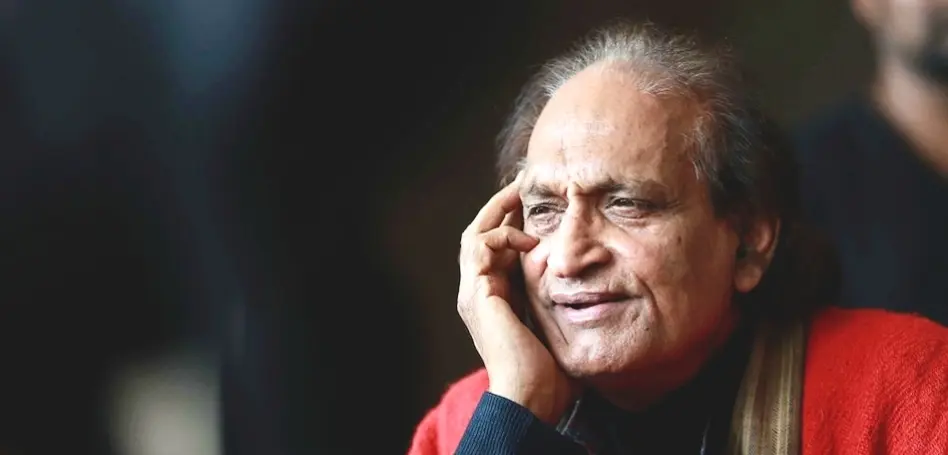
New Delhi: Raghu Rai, considered the ‘father of Indian photojournalism’, passed away at the age of 83 in Delhi on Sunday.
The legendary photographer spent more than six decades training his lens on the subcontinent’s joys, tragedies, and contradictions with an intimacy few could match, as reported by The Indian Express.
Rai was a protégé of the great Henri Cartier-Bresson, who nominated the then-young photojournalist to join the prestigious Magnum Photos collective in 1977. He went on to produce over 18 books and have his work published in Time, Life, The New York Times and The New Yorker, among others.
His haunting image of the body of a child with half-open eyes after the Bhopal gas tragedy helped bring global attention to the disaster. His portraits of Indira Gandhi, Mother Teresa, and the Bangladesh Liberation War remain among the most indelible documents of modern Indian history.
Rai was awarded the Padma Shri in 1972 for his body of work on the Bangladesh refugees and the war.
The icon had battled prostate cancer, which was treated, but the disease later spread, compounded by age-related complications that finally claimed him, Rai’s son Nitin told PTI.
Tributes flowed in from all corners after Rai’s passing became known. Among those who offered condolences were Prime Minister Narendra Modi and Congress president Mallikarjun Kharge.
“The man who defined Indian photo-journalism for half a century.. whose pictures often told more than a 1000 words ever could (especially his classic Indira Gandhi pics) is no more. Raghu Rai didn’t just photograph India – he taught generations how to see it. RIP Om Shanti,” veteran journalist and television anchor Rajdeep Sardesai posted on X.
Scottish historian William Dalrymple, who counted Rai among his closest friends and mentors, described him as not only “the greatest Indian photographer of his generation” but “the most beloved, generous and wonderful man,” recalling that Rai’s book on Delhi was the very first book he ever bought about the city – and that it was Rai who first showed him how to truly look at it.