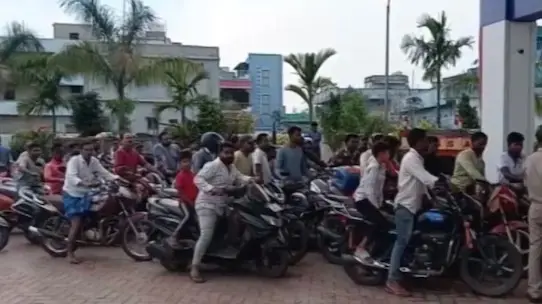
Bhubaneswar: Odisha could soon confront a serious fuel supply crunch as rising diesel consumption, supply chain issues, and the ripple effects of the ongoing Middle East conflict heighten concerns among market observers.
The warning follows reports from neighbouring Andhra Pradesh, where over 400 petrol pumps reportedly ran dry last week, leading to lengthy queues and significant inconvenience for motorists. Similar shortages have already affected parts of Odisha, including districts such as Nabarangpur, Sonepur, Nabarangpur, where several fuel stations experienced low stocks of both petrol and diesel.
Worsening Conditions in Nabarangpur
The strain is already evident in Nabarangpur district, where both cooking gas and automotive fuel supplies have been severely impacted. Of around 50 fuel stations in the district, nearly 30 have been forced to close. In Nabarangpur town and nearby block areas, only three out of nine pumps were operational at one point, resulting in long queues at the functioning outlets.
Local authorities have imposed purchase restrictions to manage stocks, limiting motorcycles to fuel worth Rs 200, auto-rickshaws to Rs 300, and cars and other vehicles to Rs 1,000. Sales in bottles or containers have also been banned.
“The company has set a limit on petrol sales. I spoke to the Sales Officer in charge, and they assured me that they will provide petrol. There was a slight problem earlier with demand, but from tomorrow onwards, petrol will be available at the pumps,” said Nabrangpur District Supply Officer Debashis Mohanty.
Nabarangpur Collector Dr Maheshwar Swain has warned of strict action against black marketing and assured that the district administration, along with the supply department, will oversee equitable distribution.
Similar scenes were seen in Koraput and Sonepur districts. Six petrol pumps have remained closed at Binika in Sonepur, compounding the misery of commuters.
Plausible Reasons
A key driver of the pressure is the sharp escalation in industrial diesel prices following the US-Iran conflict. Prior to the tensions, industries sourced diesel directly from oil companies at around Rs 89 per litre. That rate has climbed dramatically to nearly Rs 150 per litre in recent weeks. Meanwhile, retail diesel at public petrol pumps remains available at approximately Rs 92 per litre.
This substantial price gap has prompted many industries and commercial vehicle operators to shift purchases to retail outlets rather than bulk industrial supplies. Petrol pump dealers report challenges in differentiating between genuine private customers and bulk industrial buyers, leading to faster depletion of stocks at stations.The situation has been compounded by disruptions in the supply of fuel oil traditionally used by industries, forcing greater reliance on diesel as an alternative. This shift has placed extra strain on retail networks.
Data indicates that diesel sales through outlets of the three public sector oil companies in Odisha surged more than 22 per cent in April compared to the previous year, while petrol sales rose by about 14.85 per cent.
Analysts further note that fuel availability remained steadier in recent months partly due to assembly elections in several states, during which supplies were prioritised. With polling concluded, there are fears that any further spike in inter-state demand could trigger Odisha-specific shortages resembling those in Andhra Pradesh.
Sanjay Lath, General Secretary of the Utkal Petroleum Dealers Association, has called on the state government to stay vigilant. He cautioned that without timely interventions, consumers in Odisha risk facing the same hardships witnessed recently in Andhra Pradesh.
Officials from Indian Oil Corporation Limited have responded by advising industries against purchasing from retail pumps and have instructed them to resume direct procurement. The company is also closely monitoring stations with unusually high diesel off-take.
Chief General Manager Kamal Sheel stated that current supplies in the state remain normal, though proactive steps are being taken.
Oil companies have issued directives to dealers across Odisha to limit sales, such as no more than 50 litres of petrol or 500 litres of high-speed diesel per customer, in an effort to curb panic buying and conserve stocks amid the broader West Asia uncertainties.
While central and state authorities maintain that overall national stocks are adequate, the combination of geopolitical tensions, industrial demand shifts, and regional panic has created a fragile situation. Experts urge continued monitoring and coordinated measures to prevent the crisis from deepening in the days ahead.