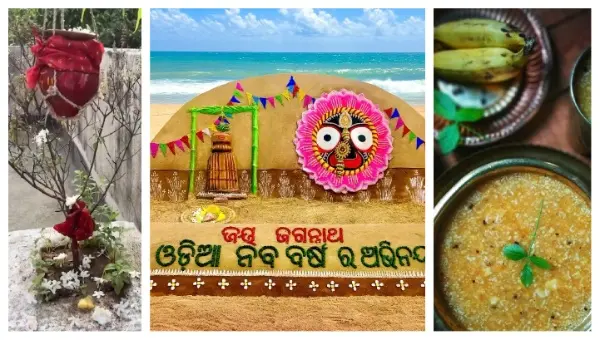
Bhubaneswar: As the Sun enters the sign of Aries, Odisha plunges into a festive mood celebrating Maha Bisuba Sankranti or Pana Sankranti. It marks the end of spring and the beginning of summer.
President Droupadi Murmu, Prime Minister Narendra Modi, Union Home Minister Amit Shah, Union Education Minister Dharmendra Pradhan, Odisha Governor Hari Babu Kambhampati, Chief Minister of Odisha Mohan Majhi and Leader of Opposition in Odisha Assembly Naveen Patnaik have wished the people of the state on this auspicious occasion.
बैसाखी, विशु, विषुव, बोहाग बिहू, पोइला बैसाख, मेषादी, वैशाखादि और पुत्तान्डु के शुभ अवसर पर, मैं भारत और विदेश में रह रहे सभी देशवासियों को बधाई और शुभकामनाएं देती हूं। pic.twitter.com/1OnKf3LYXc
— President of India (@rashtrapatibhvn) April 14, 2026
Happy Maha Bishuba Pana Sankranti! pic.twitter.com/JZ4SJNbvDF
— Narendra Modi (@narendramodi) April 14, 2026
Heartiest greetings to our sisters and brothers of Odisha on the auspicious occasion of Maha Vishuba Sankranti.
May the blessings of Prabhu Jagannath bring happiness and good health for everyone.ମହାବିଷୁବ ସଂକ୍ରାନ୍ତିର ପବିତ୍ର ଅବସରରେ ଓଡ଼ିଶାର ଭଉଣୀ ଏବଂ ଭାଇମାନଙ୍କୁ ହାର୍ଦ୍ଦିକ ଶୁଭେଚ୍ଛା।… pic.twitter.com/RHYcx8P1gW
— Amit Shah (@AmitShah) April 14, 2026
ପବିତ୍ର ମହାବିଷୁବ ସଂକ୍ରାନ୍ତି, ଓଡ଼ିଆ ନବ ବର୍ଷ ଏବଂ ହନୁମାନ ଜୟନ୍ତୀ ଅବସରରେ ହାର୍ଦ୍ଦିକ ଶୁଭକାମନା । ଏହି ନୂଆ ବର୍ଷ ସମସ୍ତଙ୍କ ପାଇଁ ନୂତନ ଆଶା, ଅସୀମ ସୁଯୋଗ ଏବଂ ସମୃଦ୍ଧି ଆଣିଦେଉ । ମହାପ୍ରଭୁ ଶ୍ରୀଜଗନ୍ନାଥ ଓ ମା’ ସମଲେଶ୍ୱରୀଙ୍କ ପାଖରେ ସମସ୍ତଙ୍କର ଉତ୍ତମ ସ୍ୱାସ୍ଥ୍ୟ ଓ ମଙ୍ଗଳ କାମନା କରୁଛି । #Odisha#OdiaNewYear… pic.twitter.com/nUYUoONlku
— Dharmendra Pradhan (@dpradhanbjp) April 14, 2026
Wishing a prosperous Maha Vishuba Pana Sankranti and a joyful Odia New Year. May this auspicious occasion bring renewed energy, growth, and lasting happiness in every aspect of life.
ଆପଣ ସମସ୍ତଙ୍କୁ ମହାବିଷୁବ ପଣା ସଂକ୍ରାନ୍ତି ତଥା ଓଡ଼ିଆ ନବବର୍ଷର ହାର୍ଦ୍ଦିକ ଅଭିନନ୍ଦନ। ଏହି ନୂଆବର୍ଷ ସଭିଙ୍କ… pic.twitter.com/3fUsjg89KE
— Nitin Gadkari (@nitin_gadkari) April 14, 2026
ଓଡିଶାର ପ୍ରିୟ ଭାଇଭଉଣୀମାନଙ୍କୁ ଓଡ଼ିଆ ନବବର୍ଷ ତଥା ପବିତ୍ର ମହାବିଷୁବ ସଂକ୍ରାନ୍ତି ଅବସରରେ ହାର୍ଦ୍ଧିକ ଶୁଭେଚ୍ଛା ଓ ଅଭିନନ୍ଦନ। ଏହି ପବିତ୍ର ପର୍ବ ଆମ ସଂସ୍କୃତିର ଗରିମା, ପରମ୍ପରାର ମାଧୁର୍ଯ୍ୟ ଓ ଓଡ଼ିଆ ପରିଚୟର ଗୌରବକୁ ଉଜାଗର କରେ।
ଆସନ୍ତୁ, ଏହି ନବବର୍ଷରେ ଏକତା, ସମର୍ପଣ ଓ ପରିଶ୍ରମକୁ ଶକ୍ତି କରି ଓଡ଼ିଶାକୁ ଉନ୍ନତିର ଶିଖରକୁ… pic.twitter.com/FGoBNZTh9J
— Governor Odisha (@GovernorOdisha) April 14, 2026
ଓଡ଼ିଆ ନବବର୍ଷ ତଥା ମହାବିଷୁବ ସଂକ୍ରାନ୍ତିର ଏହି ପବିତ୍ର ଅବସରରେ ସମସ୍ତଙ୍କୁ ମୋର ଅନେକ ଅନେକ ଶୁଭେଚ୍ଛା ଓ ଅଭିନନ୍ଦନ। ଏହି ନୂତନ ବର୍ଷ ଆପଣଙ୍କ ଜୀବନରେ ସୁଖ, ଶାନ୍ତି ଓ ସମୃଦ୍ଧି ଭରିଦେଉ ଏବଂ ଆମ ସଂସ୍କୃତି ଓ ଓଡ଼ିଆ ଅସ୍ମିତାକୁ ବିଶ୍ୱ ଦରବାରରେ ଆହୁରି ଗୌରବାନ୍ୱିତ କରିବା ପାଇଁ ଆମକୁ ନୂତନ ଶକ୍ତି ପ୍ରଦାନ କରୁ। pic.twitter.com/XMtRA4yDVh
— Mohan Charan Majhi (@MohanMOdisha) April 14, 2026
ପବିତ୍ର ମହାବିଷୁବ ସଂକ୍ରାନ୍ତି ତଥା ଓଡ଼ିଆ ନବବର୍ଷର ହାର୍ଦ୍ଦିକ ଶୁଭେଚ୍ଛା ଓ ଅଭିନନ୍ଦନ। ମହାପ୍ରଭୁ ଶ୍ରୀଜଗନ୍ନାଥଙ୍କ ଆଶୀର୍ବାଦରୁ ଏହି ନବବର୍ଷ ସମସ୍ତଙ୍କ ପାଇଁ ନୂଆ ଆଶା ଓ ନୂଆ ସମ୍ଭାବନାର ବର୍ଷ ହେଉ। #ଓଡ଼ିଆନବବର୍ଷ #OdiaNewYear pic.twitter.com/RZigrGdTZA
— Naveen Patnaik (@Naveen_Odisha) April 14, 2026
On this day, special rituals are observed at Jagannath Temple in Puri and the newly-prepared almanac is read before the sibling deities. People fast and offer prayers in temples along with Pana, food and cloth. This concoction of water, jaggery, yoghurt and a mixture of spices is also believed to have cooling properties. Special offerings are made to Shalagram, Shivalinga, Hanuman, and other deities.
On this auspicious day, Lord Vishnu, in his Varaha (boar) avatar, rescued the Earth from the demon Hiranyaksha, restoring balance and marking a new beginning. Many also believe it is the birthday of Lord Hanuman, the epitome of selfless devotion to Lord Rama, whose strength and loyalty inspire protection and courage.
Thus, Pana Sankranti celebrates victory over evil, the power of devotion, renewal after harvest, and preparation for the hot months ahead.
The festivities do not end here. Devi Pithas like Cuttack Chandi, Biraja, Samaleswari Temple and Sarala remain chock-a-block with devotees, attending Jhamu Yatra (fire walks).
People observing Jhamu Brata are called Patua or holy devotee. They end their brata by walking barefoot on burning charcoal as a part of their penance and to express gratitude to the goddess for having fulfilled their wishes.
In North Odisha it is observed as Chadak Parva and in the South, the day is celebrated as the end of month-long Danda Nata, and the closing ceremony is known as Meru Yatra.
The participants of Danda Nata are usually called Dandua and the chief as Pata Dandua, who move from village to village performing to sounds of drums, cymbals and conch shells, while inflicting pain to self. They pierce iron nails on their back, make snakes sting their bodies, walk on fire and sharp swords, to appease Shiva.
Relish chhatua and Pana, while beginning a new cycle of life!